ACL Rehabilitation
Return to Performance After ACL Reconstruction: Beyond the Clearance Decision
The Three-Stage Continuum: Participation, Sport, Performance
The Panther Symposium ACL Injury Return to Sport Consensus Group - an international, multidisciplinary panel of ACL experts - published the most widely cited definitional framework for return to sport in Knee Surgery, Sports Traumatology, Arthroscopy in 2020 (Meredith, Rauer, Chmielewski, et al., KSSTA, 2020). Their central finding was that return to sport is not a single event but a criteria-based continuum involving three distinct and sequential stages.
The Panther Symposium consensus was explicit that purely time-based return-to-sport decision-making should be abandoned, that progression along this continuum requires a multidisciplinary approach incorporating objective physical examination and validated testing, and that return to performance - not merely return to participation - should be the clinical goal. A patient who returns to team training but does not achieve return to performance has not completed ACL rehabilitation. They have completed the physical rehabilitation component and begun the performance rehabilitation component.
"Return to sport is not the finish line. Return to performance is. The gap between them is where most athletes stall - and where the best ACL programmes focus."
Why Return to Sport Is Not the Same as Return to Performance
The gap between return to sport and return to performance is well-documented and poorly addressed. The current evidence shows that approximately 81% of patients return to some form of sport after ACL reconstruction. Only 65% return to their pre-injury sport level. Only 55% return to competitive sport (Ardern et al., BJSM, 2014 - figures confirmed across multiple subsequent systematic reviews). The gap between the 81% who return to activity and the 55% who return to competitive sport is not explained by physical limitation alone - it reflects the complex biopsychosocial reality of what competitive performance demands.
Return-to-sport testing batteries - strength, hop tests, psychological readiness - are designed to assess safety of return. They are not designed to assess performance readiness. Biomechanical studies have consistently shown that athletes can achieve 90% limb symmetry on hop testing while still demonstrating asymmetric landing mechanics, altered inter-limb loading, and compensatory movement strategies that reduce performance output and elevate long-term injury risk. The AOSSM Winter 2025 review (Chang, Eliasberg, Lian, Kuenze) specifically notes that athletes can achieve hop test symmetry in distance while still exhibiting frontal-plane motion asymmetries invisible to standard testing that predict future performance limitations.
Performance limitations post-ACLR reflect three domains that standard testing does not fully capture: maximal strength qualities at high velocities (rate of force development, explosive power), neurocognitive processing under match-condition demands, and the psychological willingness to fully commit to high-risk athletic actions. Return to performance requires systematically addressing all three.
The Performance Gap: What the Data Shows
The performance deficit after ACL reconstruction is consistently documented across multiple sports and performance metrics. Gokeler, Grassi, Buckthorpe and colleagues (Journal of Experimental Orthopaedics, 2022) - in their 10-point framework for what ACL rehabilitation must achieve over the next five years - identified that the majority of athletes who are cleared to return to sport continue to exhibit performance deficits that are not captured by standard return-to-sport testing. Key among these: reduced explosive acceleration, impaired braking capacity, slower reactive decision-making, and altered willingness to execute contact-intensive actions.
The longitudinal strength meta-analysis by Girdwood et al. (BJSM, 2025) - 232 studies, 34,220 participants - showed that quadriceps strength remains meaningfully below the contralateral side at one year post-operatively and beyond in many patients, even after they have been cleared to return to sport. The strength that most tests use as a clearance criterion (90% LSI at preferred speed on isokinetic testing) does not reflect the high-velocity, explosive strength demands of competitive sport. A player can pass the LSI threshold and still be generating substantially less quadriceps power at the speeds required during sprinting, deceleration, and rapid direction change.
The Return to Performance Testing Battery
The return to performance assessment extends the standard return-to-sport battery into domains that reflect actual competitive athletic demands. The framework below - validated across the Aspetar clinical practice guideline (Kotsifaki et al., BJSM, 2023), the Mengis et al. clinical practice guideline for RTS testing (OJSM, 2025), and the Panther Symposium consensus - covers the seven testing domains that together provide the most complete picture of performance readiness currently available.
Maximal Strength and Rate of Force Development
Maximal strength - measured as peak torque on isokinetic dynamometry - is the entry-level criterion for return to sport. Return to performance requires going beyond peak torque to rate of force development (RFD): the ability to generate force rapidly, particularly in the 0-200ms window that characterises the braking and stabilisation demands of competitive sport. In chaotic match-play environments, athletes rarely have the luxury of a full voluntary muscle contraction cycle. They need to generate protective quadriceps force in the time available before ground contact forces load the graft.
The AOSSM Winter 2025 clinical review (Chang, Eliasberg, Lian, Kuenze) identifies RFD assessment alongside peak torque as a key component of a comprehensive return to play battery. Isokinetic testing at high angular velocities (180 and 300 degrees per second) captures force production at sport-relevant speeds, while force plate-based explosive jump protocols (countermovement jump, reactive strength) measure the power output that drives sprint acceleration. The Ochsner-Andrews protocol - arguably the most comprehensive published return-to-sport battery - requires 95% isokinetic symmetry at 60, 180, and 300 degrees per second before competition clearance, precisely because lower-velocity symmetry alone does not capture the high-speed strength demands of pivoting sport.
The practical implication: patients who pass the standard 90% LSI threshold at 60 degrees per second but have not achieved symmetry at higher velocities have not achieved performance-level strength restoration. The testing protocol must include multiple angular velocities to detect this deficit.
Functional Power and Landing Mechanics
The standard hop test battery - single-leg hop for distance, triple hop, crossover hop, 6-metre timed hop - provides the most widely used functional assessment of lower limb power and symmetry. A 90% LSI across all four tests is the accepted threshold for return to sport. For return to performance, the quantitative symmetry score must be supplemented by qualitative assessment of landing mechanics, because biomechanical studies consistently show that athletes can achieve distance symmetry while loading the limbs asymmetrically and exhibiting landing compensations that increase graft stress under sport-specific forces.
The AOSSM review specifically notes that clinicians are encouraged to pair hop test results with quality of movement assessment - observational evaluation of frontal-plane motion, valgus collapse, and trunk displacement during the landing phase. Force plate assessment adds the quantitative picture: bilateral symmetry in peak ground reaction force, loading rate, and time to stabilisation. The VALD ForceDecks reactive strength index (RSI) - calculated from the drop jump protocol - captures the explosive stretch-shortening cycle capacity that sport demands under reactive, unpredictable loading conditions.
Neurocognitive Readiness: The Most Under Assessed Domain
Neurocognitive readiness is the domain that standard return-to-sport testing is least equipped to assess and that most frequently explains the performance gap observed after clearance. The neuroplasticity framework established by Grooms and colleagues (JOSPT, 2023) demonstrates that ACL injury creates persistent changes in how the nervous system generates and monitors movement - increasing reliance on conscious cortical attention rather than automatic subcortical processing. An athlete who is cognitively managing every step during training will be overwhelmed by the processing demands of competitive play.
Gokeler, Grassi, Buckthorpe and colleagues (JEO, 2022) identify dual-task assessment as one of the 10 things ACL rehabilitation must prioritise: testing athletes under conditions that simultaneously challenge cognitive and motor resources, replicating the processing demands of competitive sport where visual-spatial awareness, decision-making, and tactical processing occur simultaneously with physical action. Their framework specifically advocates for progressive neurocognitive challenge from mid-rehabilitation through to return to performance - not as a standalone assessment but as a training mode that builds the automatic processing capacity competitive sport requires.
In practice, neurocognitive return to performance assessment includes: dual-task balance testing (simultaneous cognitive and balance challenge), reactive agility tasks under unpredictable cue conditions, visual reaction light drills, and sport-specific cognitive-motor integration exercises. The finding of Grooms et al. (JOSPT, 2023) that athletes can perform single-task hop tests at acceptable symmetry while showing performance decrements under dual-task conditions is particularly important: it means that neurocognitive assessment should be incorporated into the hop testing battery itself, not treated as a separate module.
GPS and Wearable Technology in Return to Performance
The integration of GPS and wearable inertial measurement unit (IMU) technology into ACL return to performance represents the most significant recent evolution in objective monitoring. Where traditional testing provides a clinic-based snapshot, GPS tracking provides a real-time, ecological measure of how the athlete is actually performing under the loading conditions of their specific sport and position.
The Picinini, Della Villa, Buckthorpe et al. (OJSM, 2025) GPS study of 100 consecutive male soccer players undergoing on-field rehabilitation provided the proof-of-concept: GPS data - specifically high-speed running volume, deceleration force magnitudes, and cutting acceleration profiles - could be compared against the player's pre-injury positional baseline to determine when they were ready for competitive reintegration. The Della Villa and Buckthorpe KSSTA 2026 study of 401 consecutive players extended this evidence base, confirming that OFR participation incorporating GPS monitoring was independently associated with improved return-to-competition rates and reduced reinjury risk.
The performance implications extend beyond injury prevention. GPS data allows the performance and medical team to track not just whether the athlete is safe to compete, but whether they are operating at their pre-injury output level: whether their sprint distances, deceleration counts, and high-intensity effort durations match what they were producing before injury. This provides the most direct measure of performance return currently available in the clinical arsenal.
What GPS Monitoring Tracks in Return to Performance
High-speed running volume: Total distance covered above the high-intensity threshold (typically 5.5 m/s in football). Compared against positional baseline from pre-injury sessions. A midfielder returning to team training who is covering 30% less high-speed distance than their pre-injury average is not yet at performance level.
Deceleration force profiles: High-intensity decelerations (>3 m/s2) are the most ACL-loading movement in football and the most informative GPS metric for graft protection monitoring. Return to full deceleration load matching pre-injury levels is a performance criterion, not just a safety one.
Acceleration profiles: Explosive acceleration (0-5m sprint) reflects the quadriceps power demands of competitive sport. Asymmetric acceleration profiles - where the athlete instinctively avoids loading the reconstructed limb in explosive push-off - are detectable on GPS before they manifest as clinical symptoms or test failures.
Session load progression: The total physical load per training session and per week, tracked over the OFR stages and compared against competitive match demands. Return to full training load is a prerequisite for return to competitive load - and GPS provides the objective evidence that this transition has occurred safely.
The Biopsychosocial Model: Why All Three Domains Must Be Ready
The return to performance framework is explicitly biopsychosocial. The Panther Symposium consensus (KSSTA, 2020) identified that purely biomechanical return-to-sport decisions should be abandoned in favour of a model that integrates biological healing, objective functional recovery, and psychological readiness as co-equal requirements. The Aspetar clinical practice guideline (Kotsifaki et al., BJSM, 2023) operationalises this through the multidimensional testing battery described above. The AOSSM Winter 2025 review (Chang et al.) reinforces that patient-reported outcome measures and psychological readiness tools - particularly ACL-RSI - are not supplementary but essential components of the return-to-play decision.
Physical readiness without psychological readiness produces an athlete who can generate the force required by the test but will not generate it at the moment required by the game. Psychological readiness without physical readiness produces an athlete who is willing but vulnerable. Both are necessary. Neither alone is sufficient. This is the principle that most generic return-to-sport programmes fail to apply consistently - and it is why the performance gap between cleared athletes and pre-injury athletes is primarily a multidimensional restoration problem, not a physical one.
The practical implication for the return to performance programme is that psychological readiness monitoring must continue after return to sport. An athlete whose ACL-RSI passes the 65-point threshold at clearance may still show declining scores in the first weeks of competitive play as the reality of match-load exposure reactivates fear responses that testing environments did not provoke. Tracking ACL-RSI through the first season of competition, not just at the return-to-sport assessment, reflects the evidence base for how psychological recovery actually progresses.
What Return to Performance Looks Like at Atherapy
At Atherapy, return to performance is the explicit endpoint of ACL rehabilitation - not return to the starting lineup, not return to running, not return-to-sport clearance. From the first consultation, patients understand that the programme does not finish when the tests pass. It finishes when their performance matches their pre-injury baseline - or, for younger athletes with significant athletic development still ahead, when the programme has done everything possible to establish a platform for continued development.
The return to performance assessment at Atherapy is the most comprehensive point in the rehabilitation programme. VALD DynaMo strength testing at multiple angular velocities identifies any high-velocity strength deficit not captured by standard LSI. VALD ForceDecks force plate assessment provides RSI, bilateral landing symmetry, and countermovement jump power output. The full four-test hop battery is paired with observational quality assessment of landing mechanics. ACL-RSI is administered and compared against the trajectory through rehabilitation. For footballers and other professional athletes, GPS-assisted OFR load monitoring confirms that training load has progressively matched and then sustained competitive demands.
For patients whose return to performance is being managed in collaboration with club medical or performance staff - a common situation for Atherapy's professional athlete patient population - Andrew Balderston provides clinical liaison directly with the performance team, translating the testing data into training recommendations that bridge the medical rehabilitation and performance environments. The goal is not just for the athlete to pass the clinical tests. The goal is for them to be better than they were before they walked in.
Related Pages in the ACL Rehabilitation Series
→ Reinjury Risk After ACL Surgery
→ Psychological Recovery After ACL Injury
→ ACL Rehabilitation Timelines
→ Gym-Based ACL Rehabilitation
→ Football-Specific ACL Rehabilitation
→ Quadriceps Weakness After ACL Injury
Return to Performance Assessment - Atherapy
If you have returned to sport after ACL reconstruction and are finding that something is not quite right - your explosiveness, your decision-making speed, your willingness to commit fully - a return to performance assessment at Atherapy will tell you precisely what is missing and what is needed. This assessment goes beyond the standard return-to-sport battery to the performance domains that standard testing does not capture. Available at Moorgate, Strand, and Chiswick.
References
- Meredith SJ, Rauer T, Chmielewski TL, et al. Return to sport after anterior cruciate ligament injury: Panther Symposium ACL Injury Return to Sport Consensus Group. Knee Surgery, Sports Traumatology, Arthroscopy. 2020;28(8):2403-2414. doi:10.1007/s00167-020-06009-1.
- Kotsifaki R, Korakakis V, King E, et al. Aspetar clinical practice guideline on rehabilitation after anterior cruciate ligament reconstruction. British Journal of Sports Medicine. 2023;57(9):500-514.
- Chang ES, Eliasberg CD, Lian J, Kuenze C. Return to play after ACL reconstruction: integrating key metrics. AOSSM Sports Medicine Update (clinical commentary). Winter 2025. American Orthopaedic Society for Sports Medicine. Available at: sportsmed.org [member publication, not peer-reviewed journal].
- Mengis N, Hoher J, Ellermann A, et al. A guideline for validated return-to-sport testing in everyday clinical practice: a focused review on the validity, reliability, and feasibility of tests estimating the risk of reinjury after ACL reconstruction. Orthopaedic Journal of Sports Medicine. 2025;13(5):23259671251317208. doi:10.1177/23259671251317208.
- Gokeler A, Grassi A, Hoogeslag R, et al. Return to sports after ACL injury 5 years from now: 10 things we must do. Journal of Experimental Orthopaedics. 2022;9:73. doi:10.1186/s40634-022-00514-7.
- Girdwood M, Culvenor AG, Rio EK, Patterson BE, et al. Tale of quadriceps and hamstring muscle strength after ACL reconstruction: a systematic review with longitudinal and multivariate meta-analysis. British Journal of Sports Medicine. 2025;59(6):423-434.
- Picinini F, Della Villa F, Tallent J, Patterson SD, et al. High return to competition rate after on-field rehabilitation in competitive male soccer players after ACL reconstruction: GPS tracking in 100 consecutive cases. Orthopaedic Journal of Sports Medicine. 2025. doi:10.1177/23259671251320093.
- Grooms DR, Chaput M, Simon JE, Criss CR, Myer GD, Diekfuss JA. Combining neurocognitive and functional tests to improve return-to-sport decisions following ACL reconstruction. Journal of Orthopaedic and Sports Physical Therapy. 2023;53(8):415-419.
- Grindem H, Snyder-Mackler L, Moksnes H, Engebretsen L, Risberg MA. Simple decision rules can reduce reinjury risk by 84% after ACL reconstruction: the Delaware-Oslo ACL cohort study. British Journal of Sports Medicine. 2016;50(13):804-808.
- Ardern CL, Taylor NF, Feller JA, Webster KE. Fifty-five percent return to competitive sport following anterior cruciate ligament reconstruction surgery: an updated systematic review and meta-analysis including aspects of physical functioning and contextual factors. British Journal of Sports Medicine. 2014;48(21):1543-1552.
- Sonesson S, Gauffin H, Kvist J. The role of psychological readiness in return to sport assessment after anterior cruciate ligament reconstruction. American Journal of Sports Medicine. 2021;49(6):1500-1508.
- Schoepp C, Tennler J, Praetorius A, Dudda M. From past to future: emergent concepts of anterior cruciate ligament surgery and rehabilitation. Journal of Clinical Medicine. 2025;14(19):6964. doi:10.3390/jcm14196964.
- Della Villa F, Buckthorpe M, Galassi L, et al. The impact of on-field rehabilitation on return to play and ACL re-injury risk after ACL reconstruction in football (soccer) players: a study on 401 consecutive cases. Knee Surgery, Sports Traumatology, Arthroscopy. 2026. doi:10.1002/ksa.70392.
London Physiotherapy Team
Welcome to the Atherapy expert clinical team. We are a dedicated group of qualified physiotherapists and sports medicine specialists committed to delivering innovative, evidence-based rehabilitation. Our practice is built on a holistic approach to physical health, firmly believing that injury prevention is just as vital as the cure. From treating acute sports injuries to designing custom performance optimization programs, our clinicians work collaboratively to help you safely reach your goals.
Meet our resident experts below and find the right specialist for your recovery journey.

- With 25+ years of Premier League and Championship experience, Andrew has led Medical, Science, and Performance departments for Hull City, Nottingham Forest, Derby County, and Preston North End, following earlier work at the Manchester United Academy
- Specialist in lower limb rehabilitation
- Post-operative rehabilitation
- Back pain and complex spinal presentations
- Elite athlete management including manual therapy, gym rehabilitation and acupuncture
- Specialises in complex cases and second opinion rehabilitation planning including return to play
- Limited clinical availability due to wider clinical leadership and operational responsibilities
Andrew Balderston
Based at Moorgate
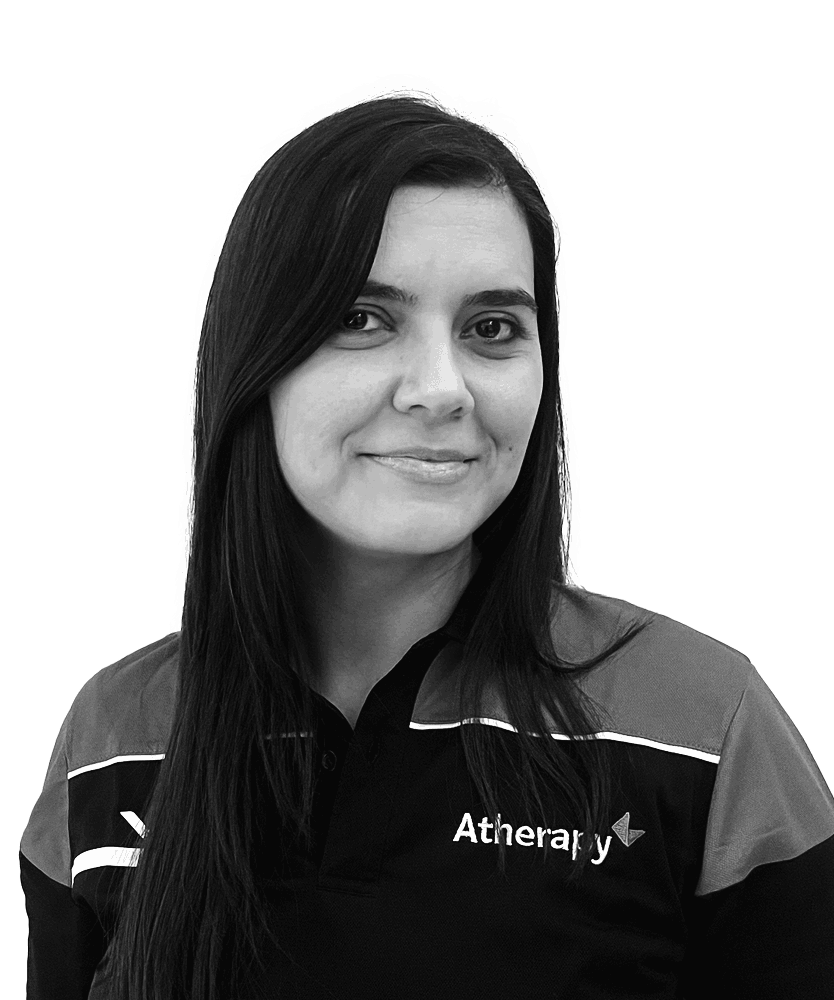
- Specialist in exercise-based rehabilitation, manual therapy and injury prevention
- Experienced in post-operative rehabilitation and progressive return to activity
- Clinical interests include sports injuries, cervical spine and low back dysfunction, shoulder, knee, foot and ankle rehabilitation
- Combines hands-on treatment with targeted strength and rehabilitation programming
- Focused on structured rehabilitation to help patients rebuild strength, movement confidence and function
- Specialist interest in women’s health support including manual lymphatic drainage during pregnancy and pre/post-natal care
- Over 15 years of clinical experience across private practice, sports rehabilitation and women’s health settings
- Fluent in English, Portuguese and Italian
Fernanda Saldanha
Based at Chiswick
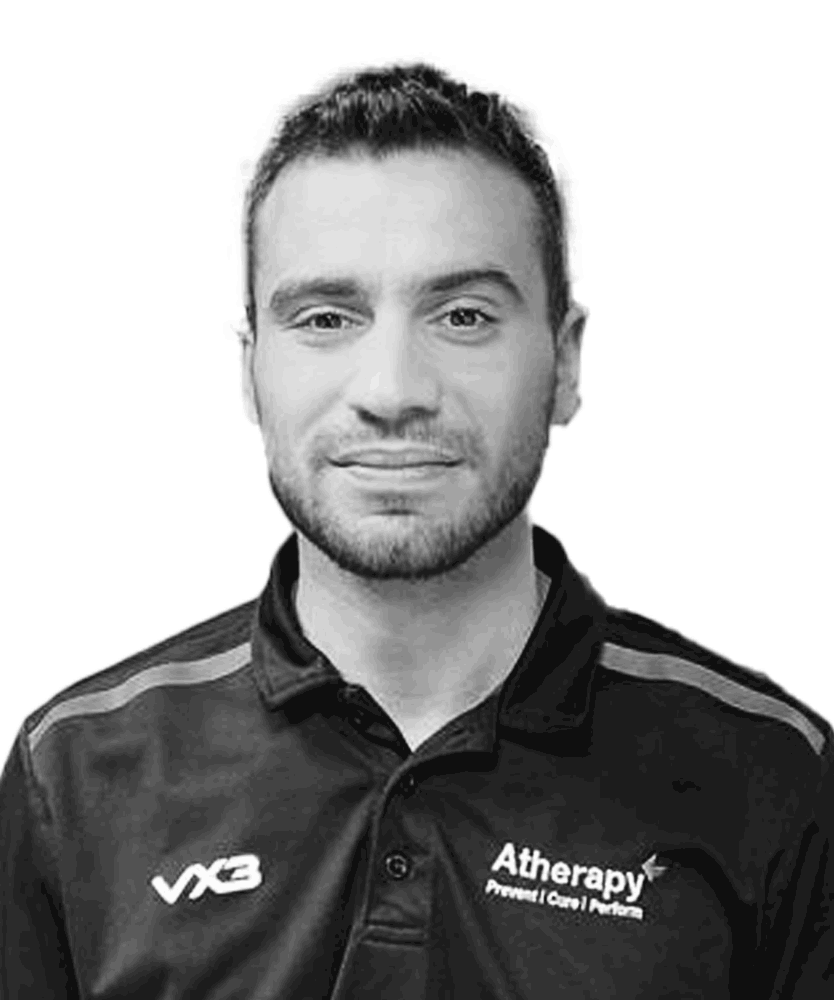
- Extensive experience working within elite professional football and private practice
- Former Tottenham Hotspur Academy physiotherapist specialising in performance rehabilitation and return-to-play management
- Specialist interest in post-operative rehabilitation and upper and lower limb injury management
- Experienced in managing complex and recurrent injuries through structured, evidence-based rehabilitation planning
- Clinical approach combines manual therapy, gym-based rehabilitation, movement analysis and acupuncture
- Focused on restoring movement quality, strength under load and long-term performance outcomes
- Fluent in English and Greek
Dimitrios Michtatidis
Based at Chiswick and Strand

- Level 4 Strength & Conditioning Coach
- Medical Acupuncture & Dry Needling Qualified
- Combines detailed clinical assessment with progressive rehabilitation and strength & conditioning principles
- Specialist interest in gym-based rehabilitation and return-to-sport management
- Clinical interests include acute sporting injuries, post-operative orthopaedic rehabilitation (including ligament reconstructions, meniscal and labral repairs) and hip/groin pain in active populations
- Experience managing both active general population and performance-focused clients
- Adjunct treatment techniques include dry needling and shockwave therapy
Claire Cuffe
Based at Moorgate and Strand

- Over 5 years experience treating orthopaedic injuries, chronic pain and post operative care
- Advanced certifications in dry needling for hands, face, feet, lower limb, upper limb and lumbopelvic region
- Certified pelvic floor physio for both men and women with an interest in treating clients pre and post natal
- Special interest in strength and conditioning programming for clients training for half/full marathons











ACL Rehabilitation
Return to Performance After ACL Reconstruction: Beyond the Clearance Decision
The Three-Stage Continuum: Participation, Sport, Performance
The Panther Symposium ACL Injury Return to Sport Consensus Group - an international, multidisciplinary panel of ACL experts - published the most widely cited definitional framework for return to sport in Knee Surgery, Sports Traumatology, Arthroscopy in 2020 (Meredith, Rauer, Chmielewski, et al., KSSTA, 2020). Their central finding was that return to sport is not a single event but a criteria-based continuum involving three distinct and sequential stages.
The Panther Symposium consensus was explicit that purely time-based return-to-sport decision-making should be abandoned, that progression along this continuum requires a multidisciplinary approach incorporating objective physical examination and validated testing, and that return to performance - not merely return to participation - should be the clinical goal. A patient who returns to team training but does not achieve return to performance has not completed ACL rehabilitation. They have completed the physical rehabilitation component and begun the performance rehabilitation component.
"Return to sport is not the finish line. Return to performance is. The gap between them is where most athletes stall - and where the best ACL programmes focus."
Why Return to Sport Is Not the Same as Return to Performance
The gap between return to sport and return to performance is well-documented and poorly addressed. The current evidence shows that approximately 81% of patients return to some form of sport after ACL reconstruction. Only 65% return to their pre-injury sport level. Only 55% return to competitive sport (Ardern et al., BJSM, 2014 - figures confirmed across multiple subsequent systematic reviews). The gap between the 81% who return to activity and the 55% who return to competitive sport is not explained by physical limitation alone - it reflects the complex biopsychosocial reality of what competitive performance demands.
Return-to-sport testing batteries - strength, hop tests, psychological readiness - are designed to assess safety of return. They are not designed to assess performance readiness. Biomechanical studies have consistently shown that athletes can achieve 90% limb symmetry on hop testing while still demonstrating asymmetric landing mechanics, altered inter-limb loading, and compensatory movement strategies that reduce performance output and elevate long-term injury risk. The AOSSM Winter 2025 review (Chang, Eliasberg, Lian, Kuenze) specifically notes that athletes can achieve hop test symmetry in distance while still exhibiting frontal-plane motion asymmetries invisible to standard testing that predict future performance limitations.
Performance limitations post-ACLR reflect three domains that standard testing does not fully capture: maximal strength qualities at high velocities (rate of force development, explosive power), neurocognitive processing under match-condition demands, and the psychological willingness to fully commit to high-risk athletic actions. Return to performance requires systematically addressing all three.
The Performance Gap: What the Data Shows
The performance deficit after ACL reconstruction is consistently documented across multiple sports and performance metrics. Gokeler, Grassi, Buckthorpe and colleagues (Journal of Experimental Orthopaedics, 2022) - in their 10-point framework for what ACL rehabilitation must achieve over the next five years - identified that the majority of athletes who are cleared to return to sport continue to exhibit performance deficits that are not captured by standard return-to-sport testing. Key among these: reduced explosive acceleration, impaired braking capacity, slower reactive decision-making, and altered willingness to execute contact-intensive actions.
The longitudinal strength meta-analysis by Girdwood et al. (BJSM, 2025) - 232 studies, 34,220 participants - showed that quadriceps strength remains meaningfully below the contralateral side at one year post-operatively and beyond in many patients, even after they have been cleared to return to sport. The strength that most tests use as a clearance criterion (90% LSI at preferred speed on isokinetic testing) does not reflect the high-velocity, explosive strength demands of competitive sport. A player can pass the LSI threshold and still be generating substantially less quadriceps power at the speeds required during sprinting, deceleration, and rapid direction change.
The Return to Performance Testing Battery
The return to performance assessment extends the standard return-to-sport battery into domains that reflect actual competitive athletic demands. The framework below - validated across the Aspetar clinical practice guideline (Kotsifaki et al., BJSM, 2023), the Mengis et al. clinical practice guideline for RTS testing (OJSM, 2025), and the Panther Symposium consensus - covers the seven testing domains that together provide the most complete picture of performance readiness currently available.
Maximal Strength and Rate of Force Development
Maximal strength - measured as peak torque on isokinetic dynamometry - is the entry-level criterion for return to sport. Return to performance requires going beyond peak torque to rate of force development (RFD): the ability to generate force rapidly, particularly in the 0-200ms window that characterises the braking and stabilisation demands of competitive sport. In chaotic match-play environments, athletes rarely have the luxury of a full voluntary muscle contraction cycle. They need to generate protective quadriceps force in the time available before ground contact forces load the graft.
The AOSSM Winter 2025 clinical review (Chang, Eliasberg, Lian, Kuenze) identifies RFD assessment alongside peak torque as a key component of a comprehensive return to play battery. Isokinetic testing at high angular velocities (180 and 300 degrees per second) captures force production at sport-relevant speeds, while force plate-based explosive jump protocols (countermovement jump, reactive strength) measure the power output that drives sprint acceleration. The Ochsner-Andrews protocol - arguably the most comprehensive published return-to-sport battery - requires 95% isokinetic symmetry at 60, 180, and 300 degrees per second before competition clearance, precisely because lower-velocity symmetry alone does not capture the high-speed strength demands of pivoting sport.
The practical implication: patients who pass the standard 90% LSI threshold at 60 degrees per second but have not achieved symmetry at higher velocities have not achieved performance-level strength restoration. The testing protocol must include multiple angular velocities to detect this deficit.
Functional Power and Landing Mechanics
The standard hop test battery - single-leg hop for distance, triple hop, crossover hop, 6-metre timed hop - provides the most widely used functional assessment of lower limb power and symmetry. A 90% LSI across all four tests is the accepted threshold for return to sport. For return to performance, the quantitative symmetry score must be supplemented by qualitative assessment of landing mechanics, because biomechanical studies consistently show that athletes can achieve distance symmetry while loading the limbs asymmetrically and exhibiting landing compensations that increase graft stress under sport-specific forces.
The AOSSM review specifically notes that clinicians are encouraged to pair hop test results with quality of movement assessment - observational evaluation of frontal-plane motion, valgus collapse, and trunk displacement during the landing phase. Force plate assessment adds the quantitative picture: bilateral symmetry in peak ground reaction force, loading rate, and time to stabilisation. The VALD ForceDecks reactive strength index (RSI) - calculated from the drop jump protocol - captures the explosive stretch-shortening cycle capacity that sport demands under reactive, unpredictable loading conditions.
Neurocognitive Readiness: The Most Under Assessed Domain
Neurocognitive readiness is the domain that standard return-to-sport testing is least equipped to assess and that most frequently explains the performance gap observed after clearance. The neuroplasticity framework established by Grooms and colleagues (JOSPT, 2023) demonstrates that ACL injury creates persistent changes in how the nervous system generates and monitors movement - increasing reliance on conscious cortical attention rather than automatic subcortical processing. An athlete who is cognitively managing every step during training will be overwhelmed by the processing demands of competitive play.
Gokeler, Grassi, Buckthorpe and colleagues (JEO, 2022) identify dual-task assessment as one of the 10 things ACL rehabilitation must prioritise: testing athletes under conditions that simultaneously challenge cognitive and motor resources, replicating the processing demands of competitive sport where visual-spatial awareness, decision-making, and tactical processing occur simultaneously with physical action. Their framework specifically advocates for progressive neurocognitive challenge from mid-rehabilitation through to return to performance - not as a standalone assessment but as a training mode that builds the automatic processing capacity competitive sport requires.
In practice, neurocognitive return to performance assessment includes: dual-task balance testing (simultaneous cognitive and balance challenge), reactive agility tasks under unpredictable cue conditions, visual reaction light drills, and sport-specific cognitive-motor integration exercises. The finding of Grooms et al. (JOSPT, 2023) that athletes can perform single-task hop tests at acceptable symmetry while showing performance decrements under dual-task conditions is particularly important: it means that neurocognitive assessment should be incorporated into the hop testing battery itself, not treated as a separate module.
GPS and Wearable Technology in Return to Performance
The integration of GPS and wearable inertial measurement unit (IMU) technology into ACL return to performance represents the most significant recent evolution in objective monitoring. Where traditional testing provides a clinic-based snapshot, GPS tracking provides a real-time, ecological measure of how the athlete is actually performing under the loading conditions of their specific sport and position.
The Picinini, Della Villa, Buckthorpe et al. (OJSM, 2025) GPS study of 100 consecutive male soccer players undergoing on-field rehabilitation provided the proof-of-concept: GPS data - specifically high-speed running volume, deceleration force magnitudes, and cutting acceleration profiles - could be compared against the player's pre-injury positional baseline to determine when they were ready for competitive reintegration. The Della Villa and Buckthorpe KSSTA 2026 study of 401 consecutive players extended this evidence base, confirming that OFR participation incorporating GPS monitoring was independently associated with improved return-to-competition rates and reduced reinjury risk.
The performance implications extend beyond injury prevention. GPS data allows the performance and medical team to track not just whether the athlete is safe to compete, but whether they are operating at their pre-injury output level: whether their sprint distances, deceleration counts, and high-intensity effort durations match what they were producing before injury. This provides the most direct measure of performance return currently available in the clinical arsenal.
What GPS Monitoring Tracks in Return to Performance
High-speed running volume: Total distance covered above the high-intensity threshold (typically 5.5 m/s in football). Compared against positional baseline from pre-injury sessions. A midfielder returning to team training who is covering 30% less high-speed distance than their pre-injury average is not yet at performance level.
Deceleration force profiles: High-intensity decelerations (>3 m/s2) are the most ACL-loading movement in football and the most informative GPS metric for graft protection monitoring. Return to full deceleration load matching pre-injury levels is a performance criterion, not just a safety one.
Acceleration profiles: Explosive acceleration (0-5m sprint) reflects the quadriceps power demands of competitive sport. Asymmetric acceleration profiles - where the athlete instinctively avoids loading the reconstructed limb in explosive push-off - are detectable on GPS before they manifest as clinical symptoms or test failures.
Session load progression: The total physical load per training session and per week, tracked over the OFR stages and compared against competitive match demands. Return to full training load is a prerequisite for return to competitive load - and GPS provides the objective evidence that this transition has occurred safely.
The Biopsychosocial Model: Why All Three Domains Must Be Ready
The return to performance framework is explicitly biopsychosocial. The Panther Symposium consensus (KSSTA, 2020) identified that purely biomechanical return-to-sport decisions should be abandoned in favour of a model that integrates biological healing, objective functional recovery, and psychological readiness as co-equal requirements. The Aspetar clinical practice guideline (Kotsifaki et al., BJSM, 2023) operationalises this through the multidimensional testing battery described above. The AOSSM Winter 2025 review (Chang et al.) reinforces that patient-reported outcome measures and psychological readiness tools - particularly ACL-RSI - are not supplementary but essential components of the return-to-play decision.
Physical readiness without psychological readiness produces an athlete who can generate the force required by the test but will not generate it at the moment required by the game. Psychological readiness without physical readiness produces an athlete who is willing but vulnerable. Both are necessary. Neither alone is sufficient. This is the principle that most generic return-to-sport programmes fail to apply consistently - and it is why the performance gap between cleared athletes and pre-injury athletes is primarily a multidimensional restoration problem, not a physical one.
The practical implication for the return to performance programme is that psychological readiness monitoring must continue after return to sport. An athlete whose ACL-RSI passes the 65-point threshold at clearance may still show declining scores in the first weeks of competitive play as the reality of match-load exposure reactivates fear responses that testing environments did not provoke. Tracking ACL-RSI through the first season of competition, not just at the return-to-sport assessment, reflects the evidence base for how psychological recovery actually progresses.
What Return to Performance Looks Like at Atherapy
At Atherapy, return to performance is the explicit endpoint of ACL rehabilitation - not return to the starting lineup, not return to running, not return-to-sport clearance. From the first consultation, patients understand that the programme does not finish when the tests pass. It finishes when their performance matches their pre-injury baseline - or, for younger athletes with significant athletic development still ahead, when the programme has done everything possible to establish a platform for continued development.
The return to performance assessment at Atherapy is the most comprehensive point in the rehabilitation programme. VALD DynaMo strength testing at multiple angular velocities identifies any high-velocity strength deficit not captured by standard LSI. VALD ForceDecks force plate assessment provides RSI, bilateral landing symmetry, and countermovement jump power output. The full four-test hop battery is paired with observational quality assessment of landing mechanics. ACL-RSI is administered and compared against the trajectory through rehabilitation. For footballers and other professional athletes, GPS-assisted OFR load monitoring confirms that training load has progressively matched and then sustained competitive demands.
For patients whose return to performance is being managed in collaboration with club medical or performance staff - a common situation for Atherapy's professional athlete patient population - Andrew Balderston provides clinical liaison directly with the performance team, translating the testing data into training recommendations that bridge the medical rehabilitation and performance environments. The goal is not just for the athlete to pass the clinical tests. The goal is for them to be better than they were before they walked in.
Related Pages in the ACL Rehabilitation Series
→ Reinjury Risk After ACL Surgery
→ Psychological Recovery After ACL Injury
→ ACL Rehabilitation Timelines
→ Gym-Based ACL Rehabilitation
→ Football-Specific ACL Rehabilitation
→ Quadriceps Weakness After ACL Injury
Return to Performance Assessment - Atherapy
If you have returned to sport after ACL reconstruction and are finding that something is not quite right - your explosiveness, your decision-making speed, your willingness to commit fully - a return to performance assessment at Atherapy will tell you precisely what is missing and what is needed. This assessment goes beyond the standard return-to-sport battery to the performance domains that standard testing does not capture. Available at Moorgate, Strand, and Chiswick.
References
- Meredith SJ, Rauer T, Chmielewski TL, et al. Return to sport after anterior cruciate ligament injury: Panther Symposium ACL Injury Return to Sport Consensus Group. Knee Surgery, Sports Traumatology, Arthroscopy. 2020;28(8):2403-2414. doi:10.1007/s00167-020-06009-1.
- Kotsifaki R, Korakakis V, King E, et al. Aspetar clinical practice guideline on rehabilitation after anterior cruciate ligament reconstruction. British Journal of Sports Medicine. 2023;57(9):500-514.
- Chang ES, Eliasberg CD, Lian J, Kuenze C. Return to play after ACL reconstruction: integrating key metrics. AOSSM Sports Medicine Update (clinical commentary). Winter 2025. American Orthopaedic Society for Sports Medicine. Available at: sportsmed.org [member publication, not peer-reviewed journal].
- Mengis N, Hoher J, Ellermann A, et al. A guideline for validated return-to-sport testing in everyday clinical practice: a focused review on the validity, reliability, and feasibility of tests estimating the risk of reinjury after ACL reconstruction. Orthopaedic Journal of Sports Medicine. 2025;13(5):23259671251317208. doi:10.1177/23259671251317208.
- Gokeler A, Grassi A, Hoogeslag R, et al. Return to sports after ACL injury 5 years from now: 10 things we must do. Journal of Experimental Orthopaedics. 2022;9:73. doi:10.1186/s40634-022-00514-7.
- Girdwood M, Culvenor AG, Rio EK, Patterson BE, et al. Tale of quadriceps and hamstring muscle strength after ACL reconstruction: a systematic review with longitudinal and multivariate meta-analysis. British Journal of Sports Medicine. 2025;59(6):423-434.
- Picinini F, Della Villa F, Tallent J, Patterson SD, et al. High return to competition rate after on-field rehabilitation in competitive male soccer players after ACL reconstruction: GPS tracking in 100 consecutive cases. Orthopaedic Journal of Sports Medicine. 2025. doi:10.1177/23259671251320093.
- Grooms DR, Chaput M, Simon JE, Criss CR, Myer GD, Diekfuss JA. Combining neurocognitive and functional tests to improve return-to-sport decisions following ACL reconstruction. Journal of Orthopaedic and Sports Physical Therapy. 2023;53(8):415-419.
- Grindem H, Snyder-Mackler L, Moksnes H, Engebretsen L, Risberg MA. Simple decision rules can reduce reinjury risk by 84% after ACL reconstruction: the Delaware-Oslo ACL cohort study. British Journal of Sports Medicine. 2016;50(13):804-808.
- Ardern CL, Taylor NF, Feller JA, Webster KE. Fifty-five percent return to competitive sport following anterior cruciate ligament reconstruction surgery: an updated systematic review and meta-analysis including aspects of physical functioning and contextual factors. British Journal of Sports Medicine. 2014;48(21):1543-1552.
- Sonesson S, Gauffin H, Kvist J. The role of psychological readiness in return to sport assessment after anterior cruciate ligament reconstruction. American Journal of Sports Medicine. 2021;49(6):1500-1508.
- Schoepp C, Tennler J, Praetorius A, Dudda M. From past to future: emergent concepts of anterior cruciate ligament surgery and rehabilitation. Journal of Clinical Medicine. 2025;14(19):6964. doi:10.3390/jcm14196964.
- Della Villa F, Buckthorpe M, Galassi L, et al. The impact of on-field rehabilitation on return to play and ACL re-injury risk after ACL reconstruction in football (soccer) players: a study on 401 consecutive cases. Knee Surgery, Sports Traumatology, Arthroscopy. 2026. doi:10.1002/ksa.70392.
London Physiotherapy Team
Welcome to the Atherapy expert clinical team. We are a dedicated group of qualified physiotherapists and sports medicine specialists committed to delivering innovative, evidence-based rehabilitation. Our practice is built on a holistic approach to physical health, firmly believing that injury prevention is just as vital as the cure. From treating acute sports injuries to designing custom performance optimization programs, our clinicians work collaboratively to help you safely reach your goals.
Meet our resident experts below and find the right specialist for your recovery journey.
- With 25+ years of Premier League and Championship experience, Andrew has led Medical, Science, and Performance departments for Hull City, Nottingham Forest, Derby County, and Preston North End, following earlier work at the Manchester United Academy
- Specialist in lower limb rehabilitation
- Post-operative rehabilitation
- Back pain and complex spinal presentations
- Elite athlete management including manual therapy, gym rehabilitation and acupuncture
- Specialises in complex cases and second opinion rehabilitation planning including return to play
- Limited clinical availability due to wider clinical leadership and operational responsibilities
Andrew Balderston
Based at Moorgate
- Specialist in exercise-based rehabilitation, manual therapy and injury prevention
- Experienced in post-operative rehabilitation and progressive return to activity
- Clinical interests include sports injuries, cervical spine and low back dysfunction, shoulder, knee, foot and ankle rehabilitation
- Combines hands-on treatment with targeted strength and rehabilitation programming
- Focused on structured rehabilitation to help patients rebuild strength, movement confidence and function
- Specialist interest in women’s health support including manual lymphatic drainage during pregnancy and pre/post-natal care
- Over 15 years of clinical experience across private practice, sports rehabilitation and women’s health settings
- Fluent in English, Portuguese and Italian
Fernanda Saldanha
Based at Chiswick
- Extensive experience working within elite professional football and private practice
- Former Tottenham Hotspur Academy physiotherapist specialising in performance rehabilitation and return-to-play management
- Specialist interest in post-operative rehabilitation and upper and lower limb injury management
- Experienced in managing complex and recurrent injuries through structured, evidence-based rehabilitation planning
- Clinical approach combines manual therapy, gym-based rehabilitation, movement analysis and acupuncture
- Focused on restoring movement quality, strength under load and long-term performance outcomes
- Fluent in English and Greek
Dimitrios Michtatidis
Based at Chiswick and Strand
- Level 4 Strength & Conditioning Coach
- Medical Acupuncture & Dry Needling Qualified
- Combines detailed clinical assessment with progressive rehabilitation and strength & conditioning principles
- Specialist interest in gym-based rehabilitation and return-to-sport management
- Clinical interests include acute sporting injuries, post-operative orthopaedic rehabilitation (including ligament reconstructions, meniscal and labral repairs) and hip/groin pain in active populations
- Experience managing both active general population and performance-focused clients
- Adjunct treatment techniques include dry needling and shockwave therapy
Claire Cuffe
Based at Moorgate and Strand
- Over 5 years experience treating orthopaedic injuries, chronic pain and post operative care
- Advanced certifications in dry needling for hands, face, feet, lower limb, upper limb and lumbopelvic region
- Certified pelvic floor physio for both men and women with an interest in treating clients pre and post natal
- Special interest in strength and conditioning programming for clients training for half/full marathons