
ACL Rehabilitation
Gym-Based ACL Rehabilitation: Building the KneeBack Properly
Most patients leave their first post-operative physiotherapy appointment with a list of exercises and a vague instruction to go to the gym. What they rarely receive is an explanation of the principles that should govern what they do there, why those principles matter, and what the evidence shows about how strength and neuromuscular function recover after ACL reconstruction. This page provides that explanation. It is structured around four sequential rehabilitation phases, each with specific exercise priorities, progression criteria, and the clinical reasoning behind them - drawing on the most current evidence from the British Journal of Sports Medicine, the American Journal of Sports Medicine, and the Isokinetic Medical Group.
The gym programme matters more than most patients appreciate. The strength, neuromuscular control, and physical capacity built in the gym over the first six to nine months after surgery determine whether the knee is genuinely ready for the demands of running, sport, and life at the point of return. A poorly structured gym programme - one that relies on generic exercises, ignores progression criteria, or treats the gym as a place to stay busy rather than to achieve specific adaptations - is one of the most common contributors to the persistent strength deficits and elevated reinjury risk that characterise ACL rehabilitation outcomes more broadly.
Why the Gym Programme Determines Everything That Follows
The Aspetar clinical practice guideline (Kotsifaki, Korakakis, King et al., BJSM, 2023) - the most comprehensive evidence-based framework for ACL rehabilitation currently available - identifies quadriceps and hamstring strength restoration as a foundational prerequisite for every subsequent rehabilitation stage. Return to running, return to plyometrics, return to sport testing, and return to competition are all gated by strength criteria. A patient who progresses through the gym phase incompletely - achieving visible muscle bulk without achieving the specific strength thresholds that reduce reinjury risk - arrives at every subsequent gate inadequately prepared.
The gym programme also shapes the neuromuscular environment in which the graft matures. ACL injury and reconstruction disrupt the mechanoreceptors within the ligament that contribute to proprioception and joint position sense. Gym-based exercise that incorporates progressive neuromuscular challenge - single-leg loading, unstable surface training, velocity-specific strengthening - accelerates the restoration of the protective reflexes that the graft depends on for long-term stability.
The Persistent Strength Deficit Problem
Before describing what a good gym programme looks like, it is important to understand what a poor one produces. Girdwood, Culvenor, Rio, Patterson and colleagues at La Trobe University published the most comprehensive longitudinal analysis of muscle strength after ACL reconstruction in the British Journal of Sports Medicine in 2025 - a systematic review and multivariate meta-analysis of 232 studies involving 34,220 participants. Their headline finding is both clear and alarming: knee extensor muscle strength is meaningfully reduced by more than 10% at one year post-surgery, with limited improvement after this point up to and beyond five years. Many people likely experience persistent, potentially long-term quadriceps strength deficits after ACLR. This is not a finding about insufficient patient effort. It reflects the genuine difficulty of restoring quadriceps function - and the inadequacy of generic rehabilitation programmes that apply insufficient stimulus to drive full recovery.
A 2025 meta-analysis by Jalili Bafrouei and colleagues (Journal of Experimental Orthopaedics, 2025) - 19 RCTs, 818 participants - provides the counterpoint: structured strengthening exercises significantly improved quadriceps strength (standardised mean difference 0.76) and hamstring strength (SMD 0.70) compared to conventional rehabilitation, with functional performance also improving. The evidence is unambiguous: specific, progressive, well-programmed strengthening produces better outcomes. The gym programme is the vehicle for that stimulus.
"Knee extensor strength is still meaningfully reduced beyond one year post-surgery in most patients. The gym programme is the primary tool for changing that trajectory."
Phase 1: Early Post-Operative Exercise (Weeks 1-6)
The first six weeks are not a waiting period. They are an active phase with specific goals that determine the quality of everything that follows. Achieving full passive extension, managing effusion, and establishing quadriceps activation are the three non-negotiable priorities.
Full passive extension: A knee that does not achieve full passive extension by week 6 post-operatively risks permanent extension loss and patellofemoral symptoms. Prone hangs, heel props, and progressive passive extension work are the most important exercises of this phase - not optional extras.
Effusion management: Swelling within the joint inhibits quadriceps activation through arthrogenic muscle inhibition regardless of effort. Cold-compression (Game Ready), elevation, and load modification are prerequisites for meaningful quadriceps exercise. Swelling and strength cannot be built simultaneously.
Quadriceps activation: Straight leg raises, terminal knee extensions, and isometric quadriceps contractions in the available range establish the neural drive to a muscle that inhibition has partially switched off. BFR from week 1 allows meaningful stimulus within these loading constraints without additional joint stress.
CKC loading begins with body weight: wall slides and mini squats in a limited range (0-60 degrees) are the cornerstone early CKC exercises - they load the quadriceps under bodyweight without the full compressive forces of deeper squatting. Small step-ups and leg press in a protected range (as specified by the surgeon) follow once these are controlled. Hip and calf strengthening throughout.
Cardiovascular conditioning: Stationary bike from week 1-2 once adequate flexion allows it (approximately 100-110 degrees). This is not optional - aerobic fitness begins deteriorating immediately post-surgery and maintaining cardiovascular capacity supports overall recovery. Ten to fifteen minutes at low resistance, progressing in duration before intensity.
Progression criterion: Full passive extension equal to contralateral side. Effusion below trace on modified stroke test. Quadriceps able to perform a single straight leg raise with no extension lag.
Phase 2: Strength Foundations (Weeks 6-12)
By week six, if Phase 1 criteria are met, the programme moves into a higher-load strength phase. The central objective is to build meaningful quadriceps and hamstring volume and strength through progressive closed kinetic chain exercise, supplemented by the introduction of open kinetic chain quadriceps work at the appropriate time for the graft type.
CKC progression: Wall slides and mini squats (0-60 degrees) continue from Phase 1, now progressing to Bulgarian split squat, rear-foot elevated split squat, goblet squat, and single-leg press. Progressive overload - 3-4 sets of 6-10 repetitions at increasing load. Controlled eccentric phase (3-4 second descent) emphasised throughout.
Leg press: A cornerstone exercise of this phase. The leg press allows meaningful bilateral and unilateral quadriceps loading through a protected range without the full compressive demands of barbell squatting - ideal for building strength during the mid-graft maturation period. Progress from bilateral to single-leg as control improves. It can also be used as a proxy strength test to track LSI progress between formal assessments.
OKC introduction: From weeks 6-8 for BPTB and QT grafts, from week 12 for hamstring grafts in most protocols. Leg extension in a restricted range (90-40 degrees) at controlled load. Evidence from the 2025 scoping review (Forelli et al.) and earlier RCT data (Fukuda et al.) supports safety in this range without increasing graft laxity when introduced per criteria.
Hamstring loading: Lying leg curl, Romanian deadlift, single-leg hip hinge, early Nordic hamstring curl introduction. For hamstring graft patients, the harvested tendons require progressive loading stimulus to remodel throughout this and subsequent phases.
Hip and glute - non-negotiable: Hip thrust, hip abduction with resistance, lateral band walks, single-leg hip hinge, clamshells under progressive load. Hip abductor and external rotator strength directly governs knee valgus control during all dynamic loading. Burnham and colleagues have demonstrated that hip strength deficits persist after ACLR even when quadriceps has recovered, and that hip external rotation strength predicts hop test performance and 2-year follow-up outcomes. This is not supplementary - it is protective.
Cardiovascular conditioning: Progress from Phase 1 stationary bike sessions toward longer duration, then HIIT protocols on the bike as tolerated. Elliptical trainer and stairmaster appropriate additions once range of motion allows. Aerobic capacity deteriorates rapidly post-surgery and must be actively rebuilt - it underpins the energy systems required for the strength and plyometric phases ahead.
Progression criterion: Single-leg squat to 60 degrees without valgus collapse. Leg press limb symmetry above 70% (MOON Phase 3 entry criterion: 70-75% quad LSI on formal testing). Effusion consistently absent after gym sessions.
Phase 3: Advanced Strength and Neuromuscular Control (Weeks 12-24)
Phase 3 is the most technically demanding of the gym phases and the one most commonly executed inadequately. The objectives are to drive quadriceps and hamstring strength toward the 90% limb symmetry thresholds required for return-to-sport criteria, while developing the neuromuscular control that strength alone cannot provide.
Heavy lower limb loading: Barbell squat, trap bar deadlift, single-leg press at 75-85% 1RM, loaded walking lunges. Progressive overload to maximal strength - not maintenance exercise. This phase should feel challenging to the patient.
Full range OKC: Leg extension through full available range (90-0 degrees) at progressive load. Introduced once swelling is consistently absent and restricted-range OKC has been tolerated well. This is the most effective isolated quadriceps strengthening tool available - the Girdwood et al. BJSM 2025 data makes clear that avoiding it significantly impairs the strength recovery trajectory.
Velocity-specific training: The Solie et al. clinical commentary (IJSPT, 2024) identifies velocity-specific quadriceps training as an important but underused element - developing quadriceps force at the speeds required during running and sport, not just in slow isotonic work.
Neuromuscular control: Single-leg balance on unstable surfaces, reactive single-leg tasks, perturbation training. These develop the proprioceptive and reflexive systems disrupted by ACL injury - systems that strength testing alone does not capture and that govern joint protection under unpredictable loads.
Progression criterion: Quadriceps LSI above 80% (target 90% for return to sport). Hamstring LSI above 80%. Single-leg squat to 90 degrees with full valgus control. Absence of post-exercise effusion consistently maintained.
Phase 4: Power, Plyometrics and Sport Preparation (Months 6-9+)
The final gym phase introduces plyometric training and power development alongside continued strength work. This phase does not replace Phase 3 exercise - it adds to it. Buckthorpe and Della Villa (IJSPT, 2021) provide the most widely referenced clinical framework for plyometric progression after ACLR - a four-stage programme moving systematically from bilateral low-load impact through to sport-specific reactive tasks. The key principle: plyometric progression must be gated by strength criteria, not by time. Introducing plyometrics before the strength base is sufficient produces high-force asymmetric loading through a knee that is not ready to absorb it.
Stage 1 - bilateral: Double-leg box jumps, double-leg broad jumps, lateral hops bilateral. Low-demand, symmetric loading. Focus entirely on landing mechanics - soft, hip-dominant, symmetric, quiet.
Stage 2 - bilateral asymmetrical: Split jumps, alternating step-up jumps, lateral shuffle with deceleration. Increasing force asymmetry between limbs - monitoring the reconstructed side throughout.
Stage 3 - unilateral: Single-leg hops for distance, depth drops to single-leg landing, single-leg lateral bounds. The highest gym-based demand before return to running and sport-specific outdoor training.
Deceleration training: E3 Rehab identifies deceleration as a distinct and critical component of late-stage rehabilitation - one that is highly quadriceps-dependent and closely linked to the ACL injury mechanism. A five-step progression moves from forward lunge, to lunge with step back, step and land, step and land with step back, and running with a step back. Deceleration from jogging before higher-speed work. This is not the same as plyometric training and must be addressed specifically.
Concurrent strength work continues: Heavy gym sessions running in parallel with plyometric progression throughout this phase. Plyometric capacity degrades without the strength foundation that supports it.
Progression criterion: Quadriceps LSI above 90%. Single-leg hop for distance LSI above 90%. Force plate RSI within 85% of contralateral. ACL-RSI score above threshold. Ochsner-Andrews criteria require >95% isokinetic symmetry at 60, 180, and 300 degrees/second alongside 8-test functional battery before competition clearance.
The OKC vs CKC Debate: Where the Evidence Now Sits
One of the most persistent controversies in ACL rehabilitation is whether open kinetic chain (OKC) quadriceps exercises - specifically leg extension - are safe to use after reconstruction. The concern that OKC exercise increases anterior tibial translation and places unacceptable stress on the graft has led many physiotherapists to avoid it entirely. The current evidence does not support this avoidance.
A 2025 scoping review by Forelli and colleagues (Sports Medicine - Open, 2025) - searching four major databases and covering all studies reporting OKC introduction criteria after ACLR - concluded that mounting evidence supports OKC strengthening as safe, reducing the risk of anterior knee pain, and significantly improving quadriceps strength. Earlier RCT data from Fukuda and colleagues demonstrated that OKC in a restricted range (90-40 degrees) from 4 weeks post-surgery in BPTB grafts produced no significant increase in anterior laxity. A 2024 cohort study by Forelli et al. (Physical Therapy in Sport, 2024) confirmed no significant intrinsic graft laxity variation with OKC introduction according to appropriate criteria.
The important nuance is graft-specific timing. For BPTB and QT grafts, OKC in restricted range from weeks 4-8 is well supported. For hamstring grafts, delaying full OKC to week 12 remains reasonable based on existing evidence. The clinical message for patients: OKC leg extension, introduced at the appropriate time for your graft, is a legitimate and important part of ACL rehabilitation - not something to be avoided out of outdated concern. Avoiding it, particularly in BPTB and QT patients, directly impairs the trajectory that Girdwood et al. (BJSM, 2025) has shown is already insufficient in most rehabilitation programmes.
Hamstring Rehabilitation: The Overlooked Half
Quadriceps rehabilitation dominates discussions of ACL gym recovery, but hamstring function is equally important and receives less consistent attention. The hamstring musculature acts as a primary restraint to anterior tibial translation and is a direct antagonist to the forces the ACL reconstruction is designed to resist. A strong hamstring is a protective partner to the graft.
Buckthorpe and colleagues published a detailed framework for hamstring function recovery after ACLR in Sports Medicine in 2021, identifying progressive eccentric loading as the central approach - Nordic hamstring curls, Romanian deadlifts, single-leg hip hinges, and Nordic-variant exercises providing the eccentric specificity that concentric-only programmes miss. Chen et al. (Scientific Reports, 2023) demonstrated in an RCT that Nordic hamstring exercise incorporated into post-reconstruction rehabilitation significantly improved isokinetic hamstring strength and knee joint stability versus conventional rehabilitation. For hamstring graft patients specifically, the harvested tendons undergo a remodelling process over 12-18 months, and progressive loading stimulus throughout this entire period - not just in the early weeks - is required to optimise the functional outcome of the harvested tissue.
The hamstring-to-quadriceps strength ratio at return to sport is a documented risk factor for reinjury. Patients who achieve 90% quadriceps LSI but have disproportionate hamstring deficits are not fully protected. A complete gym programme accounts for both muscle groups and the dynamic balance between them at every phase.
Hip and Core: The Foundation Beneath the Knee
One of the most consistent findings in ACL rehabilitation research is that hip strength deficits persist after reconstruction even when quadriceps strength has recovered to acceptable thresholds. Burnham and colleagues demonstrated that hip external rotation strength predicts dynamic balance, hop test performance, and 2-year functional outcomes following ACL reconstruction. The Ochsner-Andrews protocol at which Burnham practises requires greater than 90% limb symmetry in hip abduction and external rotation before hop testing is even permitted to begin - reinforcing that hip rehabilitation is not a supplementary add-on but a gating criterion for the sport-specific phase.
The clinical mechanism is straightforward. The hip abductors and external rotators control the position of the femur during all dynamic tasks. When they are weak or inhibited, the femur internally rotates and adducts during landing, squatting, and cutting - producing the knee valgus position that places the ACL graft under the highest stress. No amount of quadriceps or hamstring strength can fully compensate for this if the hip is not contributing appropriately. E3 Rehab and the MOON group both specify hip work in every phase of their protocols. Atherapy prescribes it from Phase 1 and tests it formally at Phase 2-3 transition.
Core stability complements hip strength in the same mechanism. Trunk side bend away from the reconstructed knee during single-leg landing tasks - a common compensatory pattern - generates frontal plane knee loading even when lower limb mechanics are otherwise acceptable. Exercises that challenge trunk stability under dynamic lower limb loading (Pallof press, single-leg Romanian deadlift, Copenhagen plank) should feature throughout Phase 3 and Phase 4 of the gym programme.
Cardiovascular Conditioning: The Overlooked Pillar
Cardiovascular fitness is consistently identified as one of the most neglected components of ACL rehabilitation - by E3 Rehab explicitly, and by the MOON group implicitly through their inclusion of cardiopulmonary work in every phase. Post-operative patients lose aerobic capacity rapidly: enforced rest, pain, and weight-bearing restrictions in the early weeks create a deconditioning effect that extends far beyond the knee itself. A patient who is strong but aerobically deconditioned will not be able to sustain the outputs required for competitive sport - and competitive sport demands not just strength but the ability to apply that strength repeatedly at high intensity over extended periods.
The stationary bike is the first-line tool from Phase 1 - low-impact, easily modifiable for range of motion, and appropriate even when weight-bearing is partially restricted. It is not an optional warm-up. It is a primary conditioning stimulus. As Phase 2 and 3 progress, sessions should develop in duration and intensity toward HIIT protocols. The elliptical trainer and stairmaster add variety and load variety from Phase 2 where available. By Phase 4, cardiovascular conditioning should mirror the aerobic demands of the sport the patient is returning to - interval training that reflects the work-to-rest ratios and sprint durations of their specific activity.
Blood Flow Restriction Training in ACL Gym Rehabilitation
Blood flow restriction (BFR) training has a specific and well-evidenced role across multiple phases of gym-based ACL rehabilitation. By applying an inflatable cuff to the proximal limb to partially restrict venous blood return during low-load exercise, BFR creates metabolic and hormonal responses that drive muscle hypertrophy and strength adaptation at loads of 20-30% of one-repetition maximum. This allows meaningful quadriceps stimulus when joint swelling, pain, or post-operative restrictions prevent normal loading.
A 2025 systematic review of early-phase ACLR BFR RCTs confirmed improvements in quadriceps strength, muscle cross-sectional area preservation, and neuromuscular adaptations without compromising graft safety. A University of Washington pilot RCT (Ohlsen et al., Cureus, 2025) found that early BFR training produced greater quadriceps LSI improvement at 8 weeks and better functional outcomes at 36 weeks compared to standard rehabilitation. The Solie et al. IJSPT clinical commentary (2024) specifically recommends non-weight-bearing quadriceps exercise with BFR once or twice daily to maximise the anabolic response within early loading constraints. Both active BFR during exercise and passive BFR - worn at rest - serve different but complementary roles across the rehabilitation programme.
What Gym Rehabilitation Looks Like at Atherapy
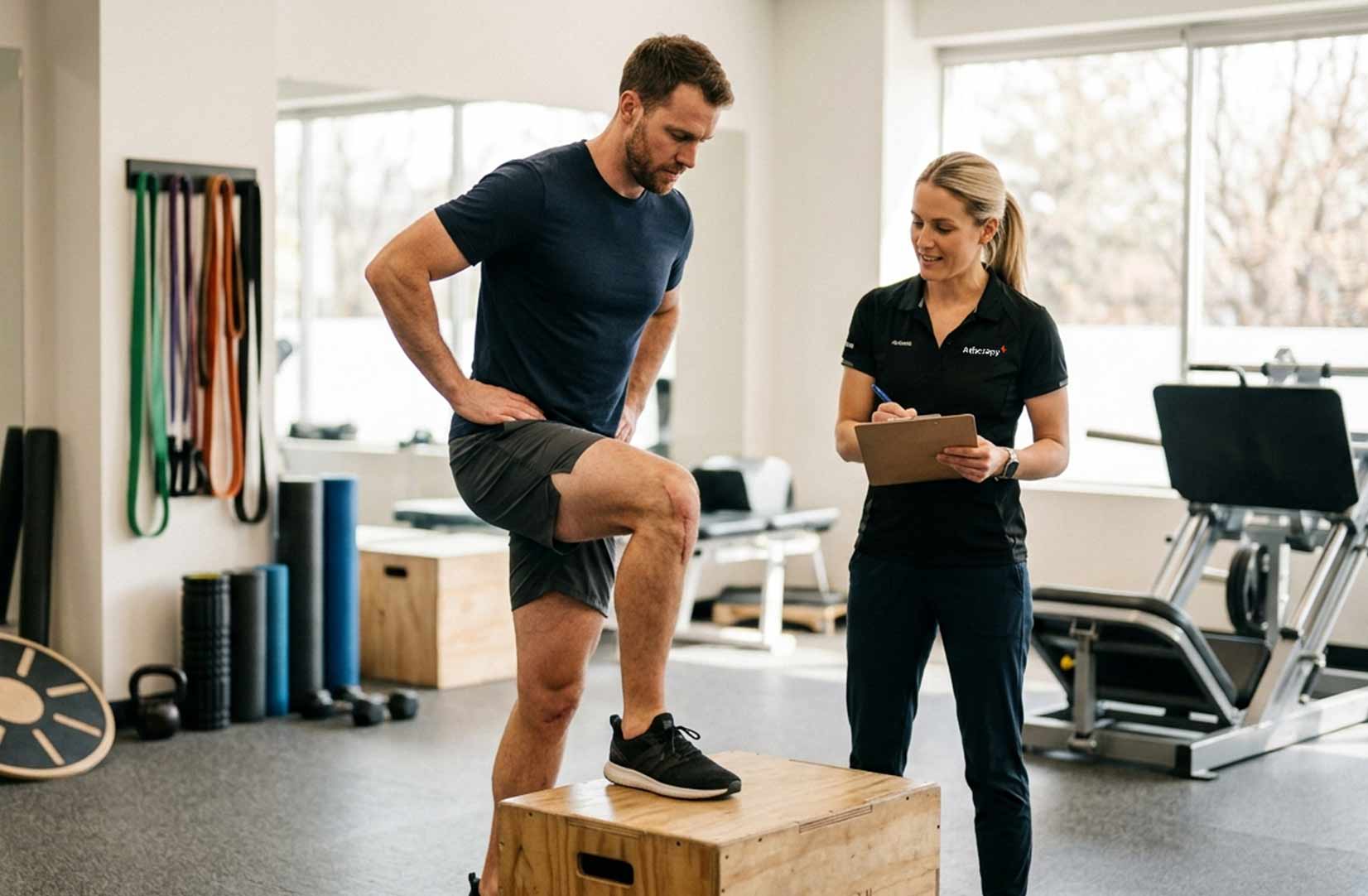
At Atherapy, gym-based ACL rehabilitation is delivered within the clinic facilities at Moorgate, Strand, and Chiswick, and coordinated with patients training independently between sessions. Every programme is criterion-based: progression between phases is governed by achieving specific objectives, not by reaching a particular post-operative week. Graft type, concurrent procedures, and the individual patient's strength profile at presentation all shape exercise selection and loading.
VALD DynaMo handheld dynamometry testing is performed at regular intervals throughout rehabilitation - not only at the return-to-sport assessment - providing objective data on the trajectory of quadriceps and hamstring recovery at each phase. This allows the programme to be adjusted when recovery is slower than expected or when a patient has progressed beyond what the standard protocol would predict. For patients approaching return to sport, VALD ForceDecks force plate assessment adds the neuromuscular loading symmetry picture that strength testing alone cannot capture.
The specific exercises used in each phase are selected for evidence-based effect and technical correctness. Sessions at Atherapy prioritise teaching patients to train independently with appropriate technique and self-monitoring, so that the gym work between clinical contacts is as effective as the supervised sessions within them.
Related Pages in the ACL Rehabilitation Series
→ Post-Operative ACL Rehabilitation
→ Quadriceps Weakness After ACL Injury
→ Return to Running After ACL Surgery
→ Reinjury Risk After ACL Surgery
→ ACL Rehabilitation Timelines
Structured Gym-Based ACL Rehabilitation - Atherapy
Whether you are in the early post-operative weeks or approaching return to sport, Atherapy's gym-based rehabilitation programme provides a criterion-based, evidence-driven programme tailored to your graft, your timeline, and your goals. Supervised sessions at our Moorgate, Strand, and Chiswick clinics combined with a structured independent training plan ensure that every week of gym work counts toward the strength and capacity benchmarks that matter.
References
- Girdwood M, Culvenor AG, Rio EK, Patterson BE, Haberfield M, Couch J, Mentiplay B, Hedger M, Crossley KM. Tale of quadriceps and hamstring muscle strength after ACL reconstruction: a systematic review with longitudinal and multivariate meta-analysis. British Journal of Sports Medicine. 2025;59(6):423-434. doi:10.1136/bjsports-2023-107977.
- Jalili Bafrouei M, Khorramroo F, Minoonejad H, Mousavi SH. Strengthening exercises improve knee muscle strength and performance but not pain in ACL-reconstructed individuals: a systematic review and meta-analysis of randomised controlled trials. Journal of Experimental Orthopaedics. 2025. PMC12709656.
- Solie B, Carlson M, Doney C, Kiely M, LaPrade R. Oh, My Quad: a clinical commentary and evidence-based framework for the rehabilitation of quadriceps size and strength after anterior cruciate ligament reconstruction. International Journal of Sports Physical Therapy. 2024;19(12):1600-1628. doi:10.26603/001c.126191.
- Forelli F, Barbar W, Kersante G, et al. Criteria-based decision making for introducing open kinetic chain exercise after ACL reconstruction: a scoping review. Sports Medicine - Open. 2025. doi:10.1186/s40798-025-00843-8.
- Forelli F, Mazeas J, Zeghoudi Y, et al. Intrinsic graft laxity variation with open kinetic chain exercise after anterior cruciate ligament reconstruction: a non-randomized controlled study. Physical Therapy in Sport. 2024;66:61-66.
- Buckthorpe M, Della Villa F. Recommendations for plyometric training after ACL reconstruction - a clinical commentary. International Journal of Sports Physical Therapy. 2021;16(3):879-895. doi:10.26603/001c.23549.
- Buckthorpe M, Danelon F, La Rosa G, et al. Recommendations for hamstring function recovery after ACL reconstruction. Sports Medicine. 2021;51:607-624.
- Chen J, Wu T, Guo Y. Nordic hamstring exercises in functional knee rehabilitation after anterior cruciate ligament reconstruction: a prospective, randomised, controlled study. Scientific Reports. 2023;13:18979.
- Ohlsen SM, Hagen MS, Cummer K, et al. The effect of blood flow restriction training on quadriceps muscle strength and functional performance following isolated anterior cruciate ligament reconstruction: a pilot study. Cureus. 2025;17(2):e79821.
- Fukuda TY, Fingerhut D, Moreira VC, et al. Open kinetic chain exercises in a restricted range of motion after anterior cruciate ligament reconstruction: a randomized controlled clinical trial. American Journal of Sports Medicine. 2013;41(4):788-794.
- Wilson BR, Burnham JM, Johnson DL, Ireland ML, Noehren B. Hip and trunk muscle strength predict dynamic balance in young female athletes. Journal of Sport Rehabilitation. 2017;26(5):419-426.
- Centner C, Wiegel P, Gollhofer A, Konig D. Effects of blood flow restriction training on muscular strength and hypertrophy in older individuals: a systematic review and meta-analysis. Sports Medicine. 2019;49(1):95-108. [BFR systematic review: early-phase ACLR applications confirmed safe without graft compromise across multiple RCTs]
- Kotsifaki R, Korakakis V, King E, et al. Aspetar clinical practice guideline on rehabilitation after anterior cruciate ligament reconstruction. British Journal of Sports Medicine. 2023;57(9):500-514.
- Grindem H, Snyder-Mackler L, Moksnes H, et al. Simple decision rules can reduce reinjury risk by 84% after ACL reconstruction. British Journal of Sports Medicine. 2016;50(13):804-808.
London Physiotherapy Team
Welcome to the Atherapy expert clinical team. We are a dedicated group of qualified physiotherapists and sports medicine specialists committed to delivering innovative, evidence-based rehabilitation. Our practice is built on a holistic approach to physical health, firmly believing that injury prevention is just as vital as the cure. From treating acute sports injuries to designing custom performance optimization programs, our clinicians work collaboratively to help you safely reach your goals.
Meet our resident experts below and find the right specialist for your recovery journey.

- With 25+ years of Premier League and Championship experience, Andrew has led Medical, Science, and Performance departments for Hull City, Nottingham Forest, Derby County, and Preston North End, following earlier work at the Manchester United Academy
- Specialist in lower limb rehabilitation
- Post-operative rehabilitation
- Back pain and complex spinal presentations
- Elite athlete management including manual therapy, gym rehabilitation and acupuncture
- Specialises in complex cases and second opinion rehabilitation planning including return to play
- Limited clinical availability due to wider clinical leadership and operational responsibilities
Andrew Balderston
Based at Moorgate
- Specialist in exercise-based rehabilitation, manual therapy and injury prevention
- Experienced in post-operative rehabilitation and progressive return to activity
- Clinical interests include sports injuries, cervical spine and low back dysfunction, shoulder, knee, foot and ankle rehabilitation
- Combines hands-on treatment with targeted strength and rehabilitation programming
- Focused on structured rehabilitation to help patients rebuild strength, movement confidence and function
- Specialist interest in women’s health support including manual lymphatic drainage during pregnancy and pre/post-natal care
- Over 15 years of clinical experience across private practice, sports rehabilitation and women’s health settings
- Fluent in English, Portuguese and Italian
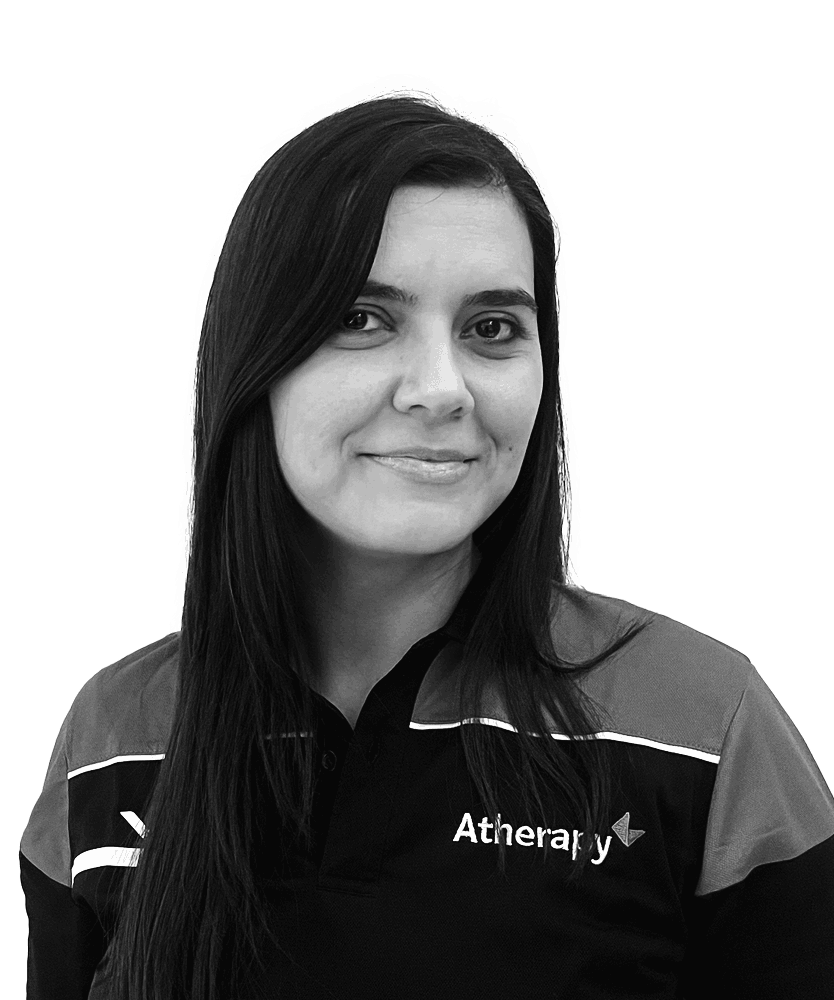
Fernanda Saldanha
Based at Chiswick
- Extensive experience working within elite professional football and private practice
- Former Tottenham Hotspur Academy physiotherapist specialising in performance rehabilitation and return-to-play management
- Specialist interest in post-operative rehabilitation and upper and lower limb injury management
- Experienced in managing complex and recurrent injuries through structured, evidence-based rehabilitation planning
- Clinical approach combines manual therapy, gym-based rehabilitation, movement analysis and acupuncture
- Focused on restoring movement quality, strength under load and long-term performance outcomes
- Fluent in English and Greek
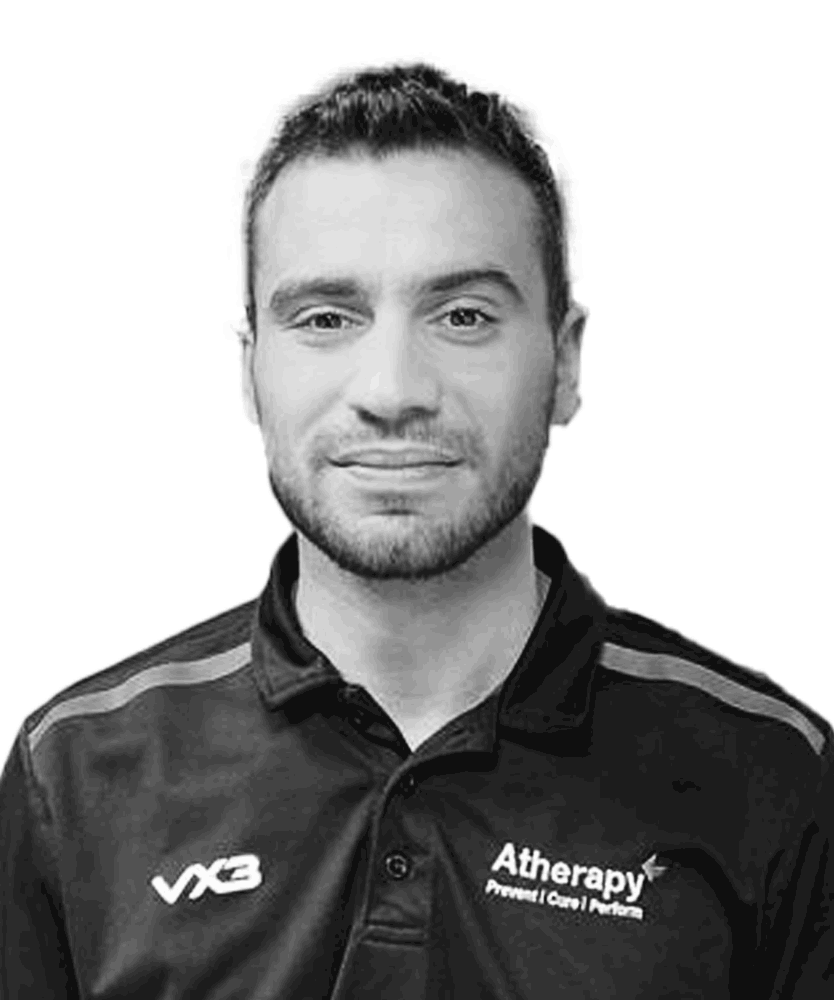
Dimitrios Michtatidis
Based at Chiswick and Strand

- Level 4 Strength & Conditioning Coach
- Medical Acupuncture & Dry Needling Qualified
- Combines detailed clinical assessment with progressive rehabilitation and strength & conditioning principles
- Specialist interest in gym-based rehabilitation and return-to-sport management
- Clinical interests include acute sporting injuries, post-operative orthopaedic rehabilitation (including ligament reconstructions, meniscal and labral repairs) and hip/groin pain in active populations
- Experience managing both active general population and performance-focused clients
- Adjunct treatment techniques include dry needling and shockwave therapy
Claire Cuffe
Based at Moorgate and Strand

- Over 5 years experience treating orthopaedic injuries, chronic pain and post operative care
- Advanced certifications in dry needling for hands, face, feet, lower limb, upper limb and lumbopelvic region
- Certified pelvic floor physio for both men and women with an interest in treating clients pre and post natal
- Special interest in strength and conditioning programming for clients training for half/full marathons